---
title: "UNM researchers use advanced computing to study COVID-19"
description: "A wide range of University of New Mexico researchers from across main and north campuses are utilizing UNM Center for Advanced Research Computing resources to study COVID-19."
type: News
tags:
- News
date: "2020-05"
generated:
by: "process:scripts/port_legacy_pages.py"
at: "2026-09-10T00:00:00Z"
sources:
- id: carc-web
resource: "https://carc.unm.edu/news--events/News/researchers-study-covid-19.html"
title: "UNM researchers use advanced computing to study COVID-19 (carc.unm.edu)"
author: "team:unm-carc"
---
# UNM researchers use advanced computing to study COVID-19
May 2020
A wide range of University of New Mexico researchers from across main and
north campuses are utilizing UNM Center for Advanced Research Computing
resources to study COVID-19. Researchers from several departments at UNM,
including Anthropology, Biology, Computer Science, Pediatrics, Internal
Medicine, and various Health Sciences research centers are studying different
aspects of the coronavirus pandemic.
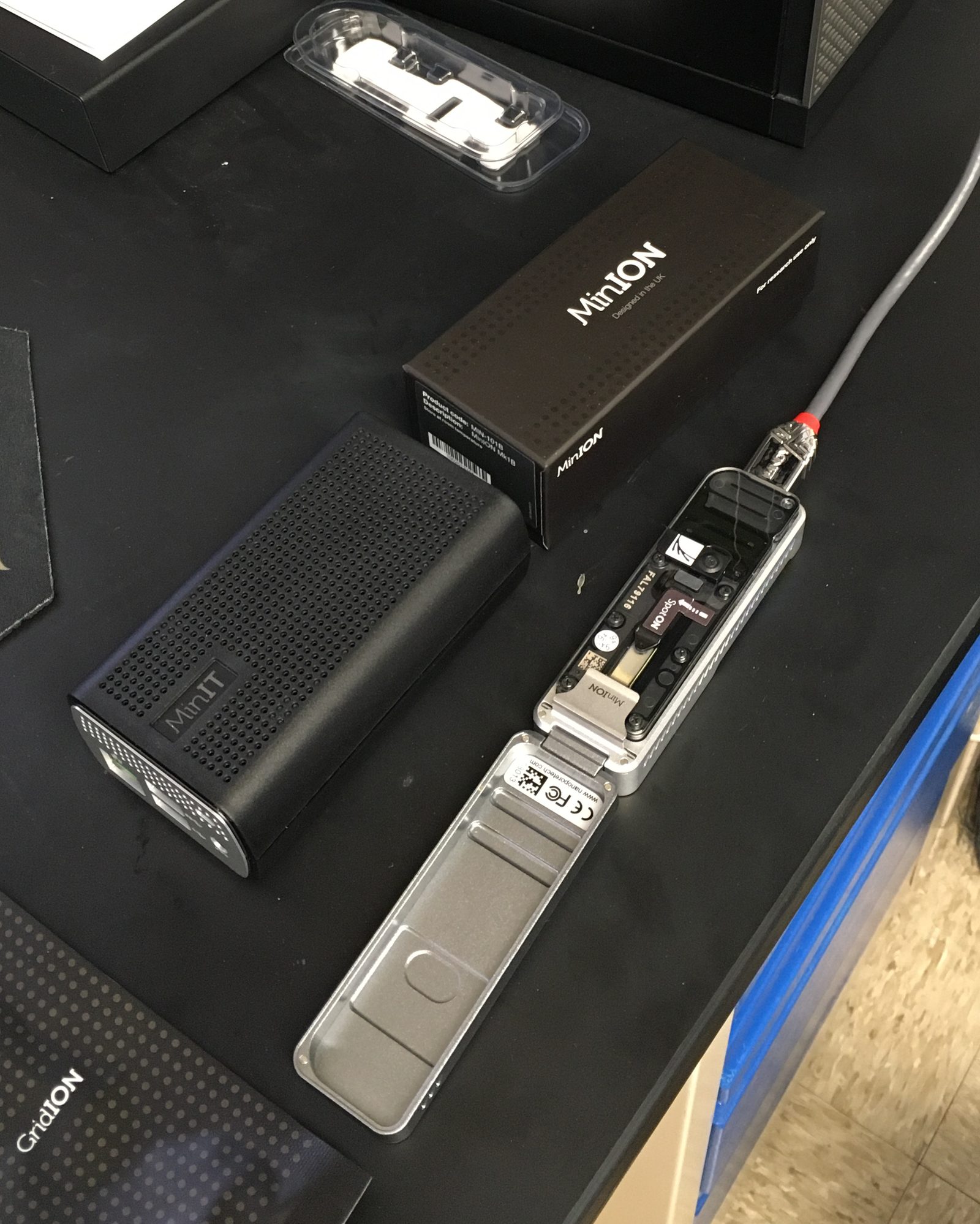
Since the US discovered its first case of COVID-19 on January 20th,
2020, scientists across the country have worked feverishly to understand this
new and rapidly spreading disease. A collaborative team of researchers
including Assistant Professor at the UNM Center for Global Health Daryl
Domman, Assistant Professor at the UNM Department of Pediatrics Darrell
Dinwiddie, Professor at the UNM Division of Translational Informatics Tudor
Oprea, and biologists at the Los Alamos National Laboratory have been using
advanced computing techniques to study the genetic variations of SARS-CoV-2,
the virus that causes COVID-19. By sequencing the genome of SARS-CoV-2 samples
taken from positive cases in New Mexico and Wyoming, the team has been able to
track mutations in the virus. Oprea explains, “We’re trying to understand what
the trends are with respect to the virus—whether it’s the same virus that came
from Wuhan, or, does it mutate? How many flavors of the virus are out there?
Do they cause different symptoms?”
Tracking the locations of precise coronavirus strains allows researchers like
Domman to understand exactly how the novel coronavirus is spreading. “What
we’re hoping to do with this information is really understand the spread of
the virus within our community,” Domman reports. He explains, “Traditional
epidemiology is about case count data—looking at contact tracing and who might
have been exposed. This data is extremely useful but it’s inherently limited
in answering questions about how the virus is spreading.”
Looking at which genetic variations of SARS-CoV-2 appear in specific locations
can provide additional information beyond counting the number of positive
cases in a region. Domman believes that sequencing samples of the novel
coronavirus will allow scientists to identify local transmission chains,
estimate how long the virus has existed within a community, and estimate how
many cases are currently active within a region. Already, this project has
revealed important insights into the local spread of coronavirus, including
that the vast majority of early COVID-19 cases in New Mexico and Wyoming can
be attributed to European travel.
Meanwhile, the [New Mexico Decedent Image Database
(NMDID)](https://nmdid.unm.edu/){target=_blank}, since its website launch in
January of this year, has already been a source of valuable information for
COVID-19 research. The NMDID is a free resource that gives researchers access
to over 15,000 decedent full-body CT scans and a wealth of information about
the deceased. CARC houses and maintains the database in collaboration with UNM
Associate Professor of Anthropology and creator of NMDID Heather Edgar.
Researchers at Johns Hopkins University have been using NMDID to better
understand how COVID-19 affects its victims. Edgar reports, “They’re using
about 34 or so CTs of decedents who died of pneumonia and comparing [them] to
people who have COVID-19—basically looking to see how similar or different the
new disease is to the things we’re used to looking at.”
Across campus at the UNM Moses Biological Computation Lab, Professor of
Computer Science and Biology Melanie Moses and Research Assistant Vanessa
Surjadidjaja are using CARC resources to understand how the human lung
responds to a viral pathogen like SARS-CoV-2. “Currently, there is much to
learn about how our immune systems are responding to the novel coronavirus.
Our research aims to understand how the immune system, specifically T cells,
find cells infected with SARS-CoV-2 dispersed in the lung,” Surjadidjaja
explains. Their study uses laboratory data and computer simulations to
visualize interactions between immune cells and viruses within the complex
structures inside the lung. Their goal is to predict how viral load changes
over the course of an infection, an important component of disease severity
and transmissibility between people.
All of these studies are ongoing and will continue to develop quickly as
scientists do their best to make a positive impact during this tumultuous
time. Oprea captures the current mood of many research teams when he says,
“Everyone works with a sense of urgency. We are well aware that until a
vaccine is found, the world will be in stand-by mode. We’re just trying to do
our part.” Domman stresses the importance of providing local authorities with
the information they need to make prudent policy choices, commenting, “In the
more immediate, it’s about providing that actionable data to the folks who
will do some good with it.”
*Photo: MinION, a portable, stapler-sized DNA and RNA sequencing device, is
used in COVID-19 research at UNM. Courtesy of Daryl Domman.
*
**In the news:**
[Genomic detectives (HSC
Newsroom)](http://hscnews.unm.edu/news/genomic-detectives){target=_blank}
[Where did the COVID-19 cases in New Mexico come from?
(KOAT)](https://www.koat.com/article/where-did-the-covid-19-cases-in-nm-come-from/32178233){target=_blank}
[UNM scientists study coronavirus variations for clues about what comes next
(KRWG)](https://www.krwg.org/post/unm-scientists-study-coronavirus-variations-clues-about-what-comes-next){target=_blank}
[UNM scientists track early appearances of coronavirus in NM to Europe,
Australia (ABQ
Journal)](https://www.abqjournal.com/1448757/unm-scientists-track-early-appearances-of-coronavirus-in-nm-to-europe-australia.html){target=_blank}